
Losing weight? Make sure it’s fat you’re losing.
The scale is dropping, but it can’t tell you what you lost. Dial shows fat and muscle beside your weight, so you can follow both week by week and bring the trend to your doctor.

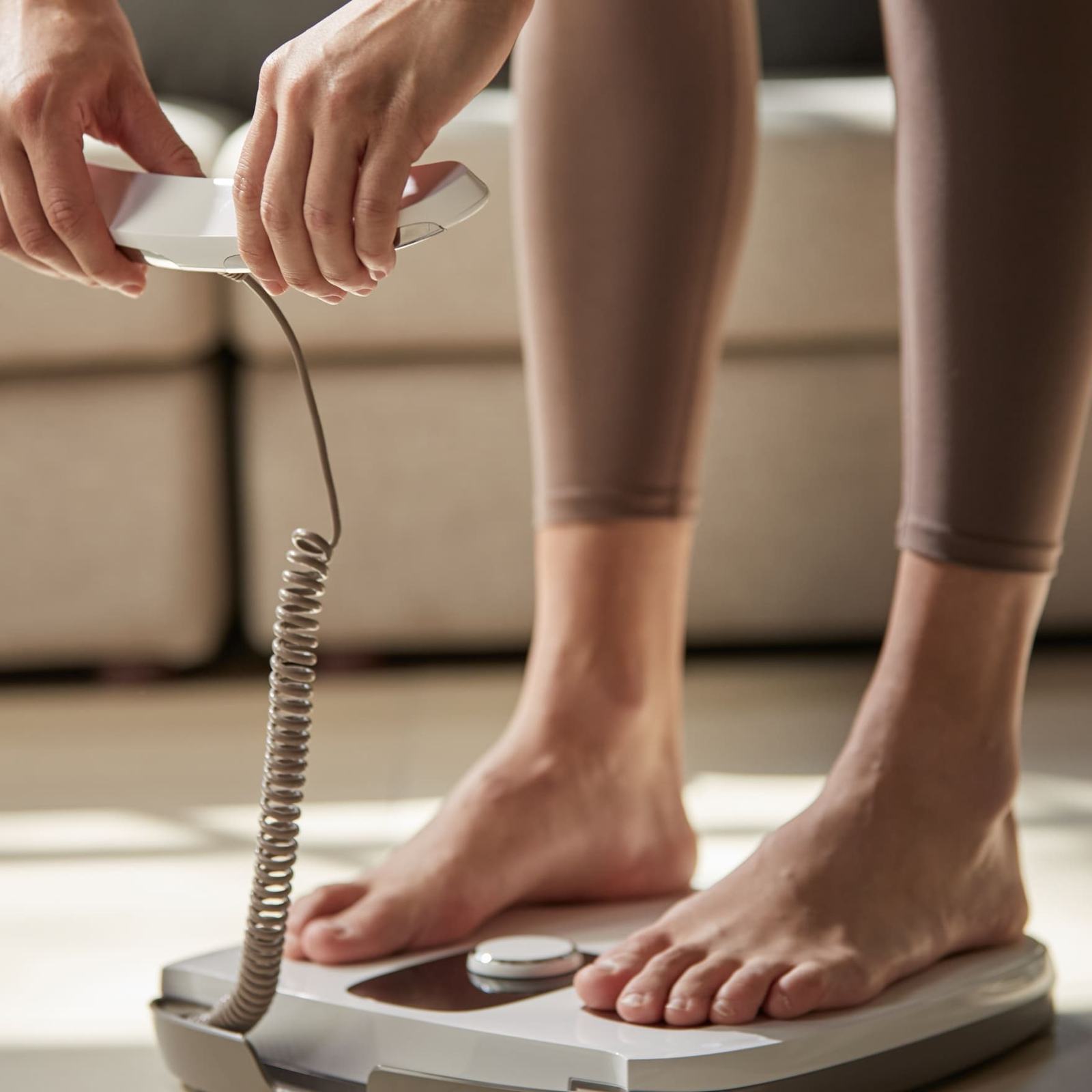
Weight off isn’t always fat off.
On GLP-1 or other weight-loss medication, not every kilo you lose is fat. In InBody’s analysis of 38,331 measurement records, 1.3 kg of the 7.06 kg women lost in their first 16 weeks on medication was muscle.
A plain scale counts every kilo as progress. Dial splits your weight into fat and muscle at every test, so you can see which one is going.
Three readings to watch.
- Am I keeping my muscle?
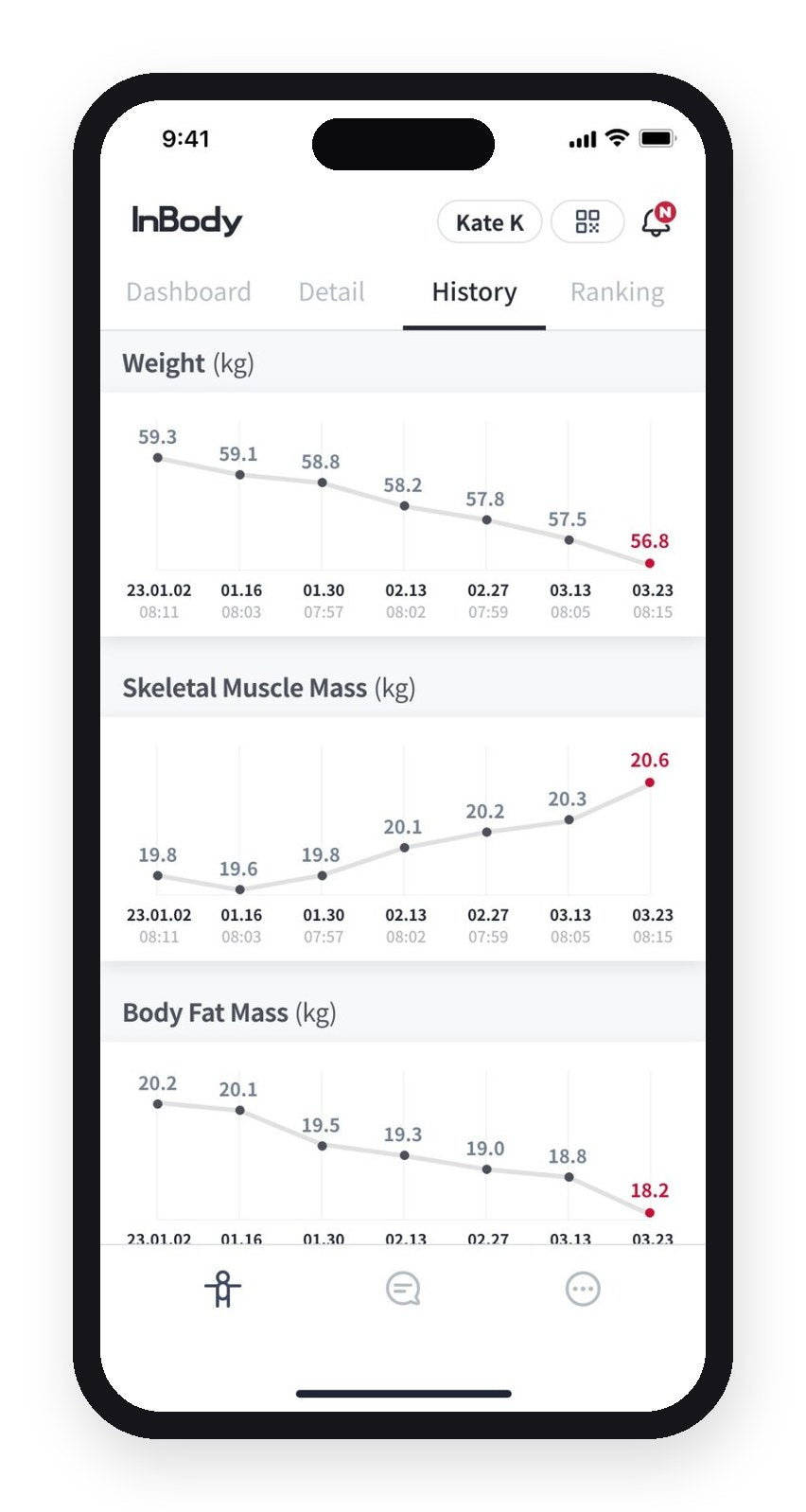
Skeletal muscle mass
The muscle you move with. You want this to hold steady while your weight comes down.
- Is the loss actually fat?
Body fat mass
Your fat, in kilos. This is the number you want falling.
- Is the fat around my middle coming down?
Visceral fat level
An estimate of the fat around your organs, shown as a level from 1 to 20. Under 10 is the standard range for adults.
Same morning. Same way. Every week.
Keep the conditions fixed, so the change you see is your body, not your breakfast.
Same time, same way
Morning, after the toilet, before breakfast, exercise or a shower. Body water moves through the day.
Watch the weeks
One test can wobble. A few weeks of tests show the direction.
Take a first reading
If you can, test before your plan begins, so every later test has something to compare with.
What Dial shows, and what it can’t.
Dial shows
- Body fat mass and body fat percentage
- Skeletal muscle mass
- Visceral fat level, on every Dial
- Basal metabolic rate (BMR), in the app
- Your history, test by test, in the InBody app
Dial can’t show
- How much muscle loss is too much for you
- Whether a sudden drop is just fluid
- Body water, so it isn’t a hydration test
- Your blood sugar, or anything about your dose
- Whether your medicine is working
Drinking less, or losing fluid, shifts body water. That can lower a muscle reading without real muscle loss. Read the trend over weeks, not one test.
Bring the trend to your doctor.
Open the History screen in the InBody app at your appointment. It shows weight, muscle and fat test by test, so your doctor sees the weeks, not one morning. Then ask:
- Is my muscle holding?
- Should my protein change?
- Do I need a strength plan?
A medication log, next to your results.
Recent versions of the InBody app add Self-Care: note each dose and any side effects, and see them beside your muscle and fat.
It may not be switched on for every account in India yet. Ask us before you rely on it.
Dial supports your plan. It doesn’t replace your doctor.
Any Dial shows the fat and muscle behind your weight. It doesn’t diagnose or treat anything. Make changes to diet, exercise or medication with a qualified professional.
Questions on medication and Dial
Do you lose muscle on GLP-1 medication?
On GLP-1 or other weight-loss medication, not every kilo you lose is fat. In InBody’s analysis of 38,331 measurement records, 1.3 kg of the 7.06 kg women lost in their first 16 weeks on medication was muscle. InBody Dial shows skeletal muscle mass and body fat mass at every test, so you can bring the trend to your doctor.
Do I need a special scale on weight-loss medication?
No. No scale is required; your doctor tracks your progress with their own checks. A body composition scale adds one thing an ordinary scale can’t: it splits your weight into fat and muscle, so you see what is changing in the weeks between appointments.
Can Dial show muscle loss?
Dial shows your skeletal muscle mass at every test, so a falling trend becomes visible over weeks. It can’t tell you how much loss is too much for you. Fluid shifts can also lower a reading. Bring the trend to your doctor.
How does Dial measure, and how accurate is it?
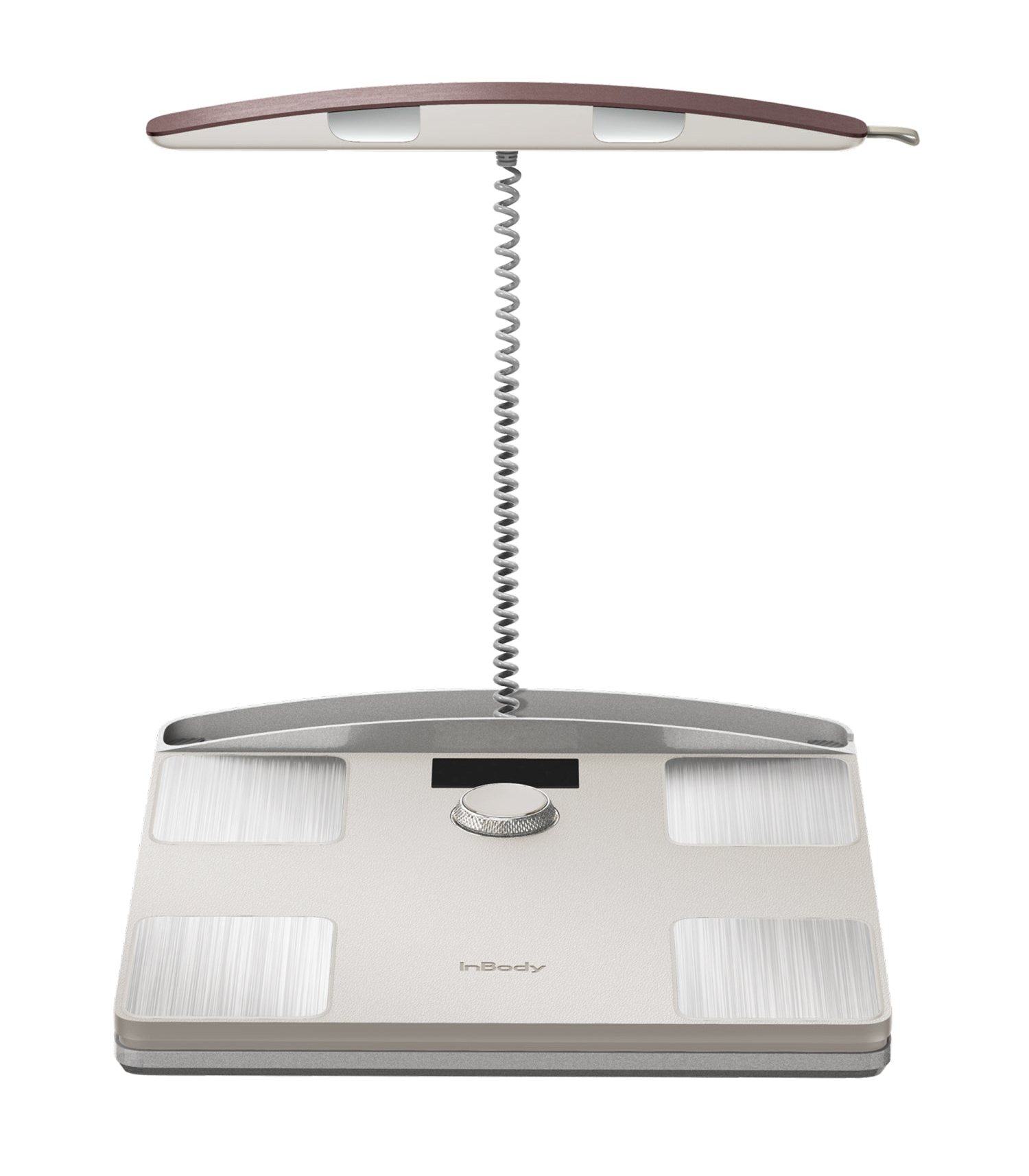
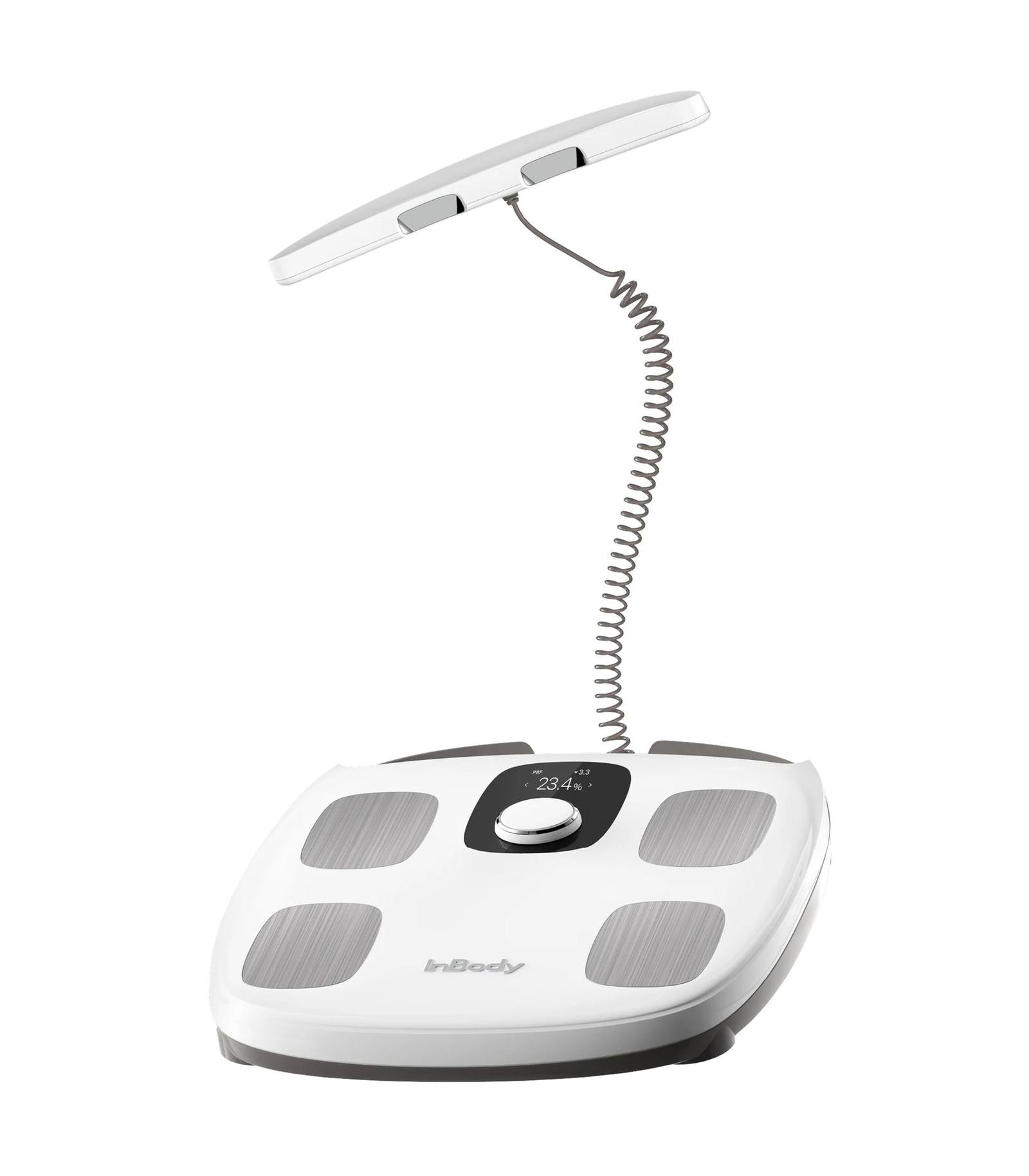
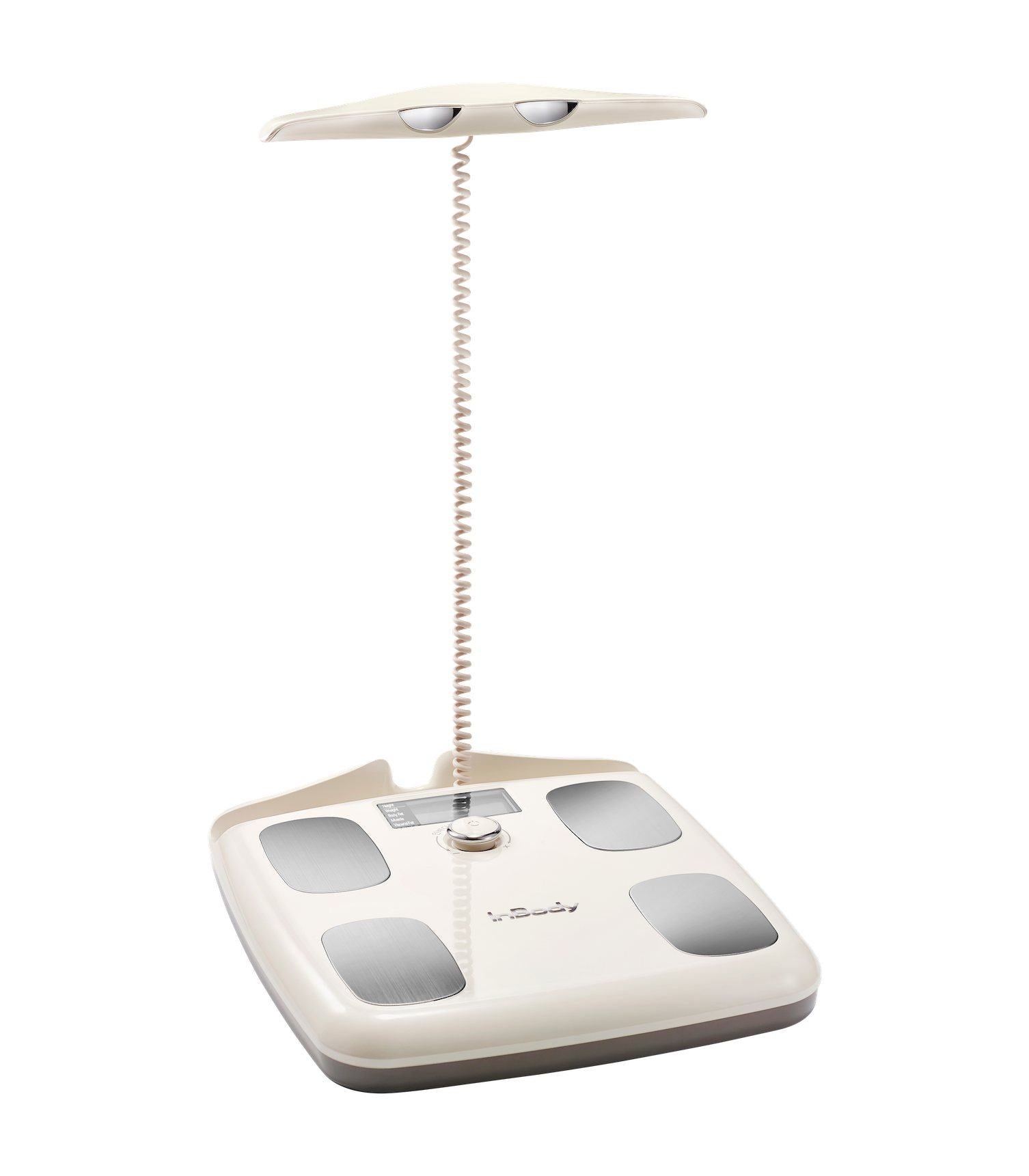
Dial sends a tiny current through 8 electrodes at your hands and feet, and reads your arms, trunk and legs one by one. The H20 uses two frequencies; the H30 and H40 use three. Results are estimates, and no home scale is a lab scan. Test the same way each time and follow your own trend.
Does Dial show visceral fat? Body water?
Every Dial shows a visceral fat level from 1 to 20, an estimate of the fat around your organs. Under 10 is the standard range for adults. Dial does not report body water, so it can’t tell you whether you are dehydrated.
My weight stalled. Is Dial still useful?
Yes. Weight can sit still while fat falls and muscle holds, or the other way round. Dial shows which is happening. Look at a few weeks of tests before deciding anything, and talk to your doctor before any change to your plan.
Should I test daily or weekly?
Either works if you keep the conditions the same: morning, after the toilet, before food, exercise or a shower, barefoot on a hard, level floor. Judge change on the trend across weeks, never one reading.
InBody Dial is a body composition scale for wellness and fitness tracking. It is not a medical device and does not diagnose, treat, cure or prevent any condition. Never change your medication based on a scale reading; always follow your doctor’s advice on medication, diet and exercise. Pregnant women should consult a doctor before use. Children should use it only with adult help. Results vary with hydration, meals and exercise; measure at a consistent time on a hard, level floor. Not for use with pacemakers or other implanted electronic medical devices.


