Sleep and body fat: why short nights make fat loss harder
On the same diet, people who slept less lost less fat and more lean mass. What short sleep does to hunger and fat loss, and how to protect your nights.
You can get the food right, walk your steps and lift twice a week, and still lose less fat than you should. The missing piece is often the one that happens with your eyes closed.
In a controlled trial, adults on the same reduced-calorie diet lost about the same weight whether they had 8.5 or 5.5 hours in bed. But with short sleep, less than half as much of that loss was fat, and more was fat-free mass. Short nights also tend to raise hunger the next day, especially for late-night snacks. This guide explains what the research found, how much sleep adults need, and how to see the effect in your own numbers.
The short version
- On the same diet, 5.5 hours in bed instead of 8.5 cut fat loss from 1.4 kg to 0.6 kg over two weeks, while fat-free mass loss rose.
- Short sleep raises appetite, especially for energy-dense food, and shifts eating to late evening.
- Adults need 7 or more hours a night. Track body fat mass and skeletal muscle mass, not just weight, to see the difference.
What the sleep study found
The clearest test of this comes from a study published in the Annals of Internal Medicine in 2010. Nedeltcheva and colleagues brought 10 adults with overweight into a sleep laboratory twice, for 14 days each time. Both times they ate the same moderately reduced-calorie diet. The only difference was how long they were allowed to sleep: 8.5 hours one time, 5.5 hours the other.
Total weight loss was almost identical. What changed was its make-up. With the longer nights, 1.4 kg of the loss was fat. With the shorter nights, only 0.6 kg was fat, and fat-free mass loss rose from 1.5 kg to 2.4 kg. People also reported feeling hungrier on short sleep.
It was a small, short study, and the authors say so. Fat-free mass also includes water, so not all of that extra loss was muscle. But the direction is hard to ignore. The same diet, followed just as carefully, did less for body fat when sleep was short.
Why short nights make fat loss harder
You get hungrier
In an earlier study in the same journal, Spiegel and colleagues restricted 12 healthy young men to short sleep for two nights. Leptin, a hormone that signals fullness, fell by 18 percent. Ghrelin, which drives hunger, rose by 28 percent. Hunger ratings climbed by 24 percent, and appetite for calorie-dense, carbohydrate-rich foods rose the most.
You eat later, and more
When Markwald and colleagues held 16 adults to five nights of short sleep, the extra hours awake did burn slightly more energy. But people ate more than enough to cover it, much of it after dinner, and gained an average of 0.82 kg in that time. Late nights in front of a screen, with the kitchen nearby, are a familiar version of this in many homes.
You move less and train worse
Tired days often come with fewer steps, skipped workouts and lighter weights. None of that is dramatic on its own. Added up over months, it can matter as much as what is on your plate.
How much sleep is enough
A joint consensus statement from the American Academy of Sleep Medicine and the Sleep Research Society recommends that adults sleep 7 or more hours a night on a regular basis. Note the word regular. One long Sunday lie-in does not cancel five short weeknights.
Many Indian routines push the other way. Dinner at 10 pm, a long commute at both ends of the day, a phone in bed, shift work, summer heat, a wedding or festival season of late nights. You may not be able to fix all of them, but most people can win back 30 to 60 minutes with a few changes.

A sleep routine that supports fat loss
- Fix your wake-up time first. Same time every day, weekends included. A steady morning makes a steady bedtime much easier.
- Finish dinner two to three hours before bed. An earlier, lighter dinner also cuts the window for late snacking.
- Move tea and coffee earlier. Many people sleep better with no caffeine after early afternoon.
- Put the phone outside the bed. Charge it across the room. Scrolling is how 11 pm becomes 1 am.
- Keep the room dark, quiet and cool. Curtains, a fan or AC where you can, and a quiet corner away from the TV.
- Do not trade sleep for a 5 am workout. If you went to bed at 1 am, the extra sleep will likely do more for your fat loss than the session.
If you snore loudly, wake up gasping, or feel exhausted however long you sleep, talk to your doctor. Those can be signs of a sleep problem that needs proper attention.
See it in your own numbers
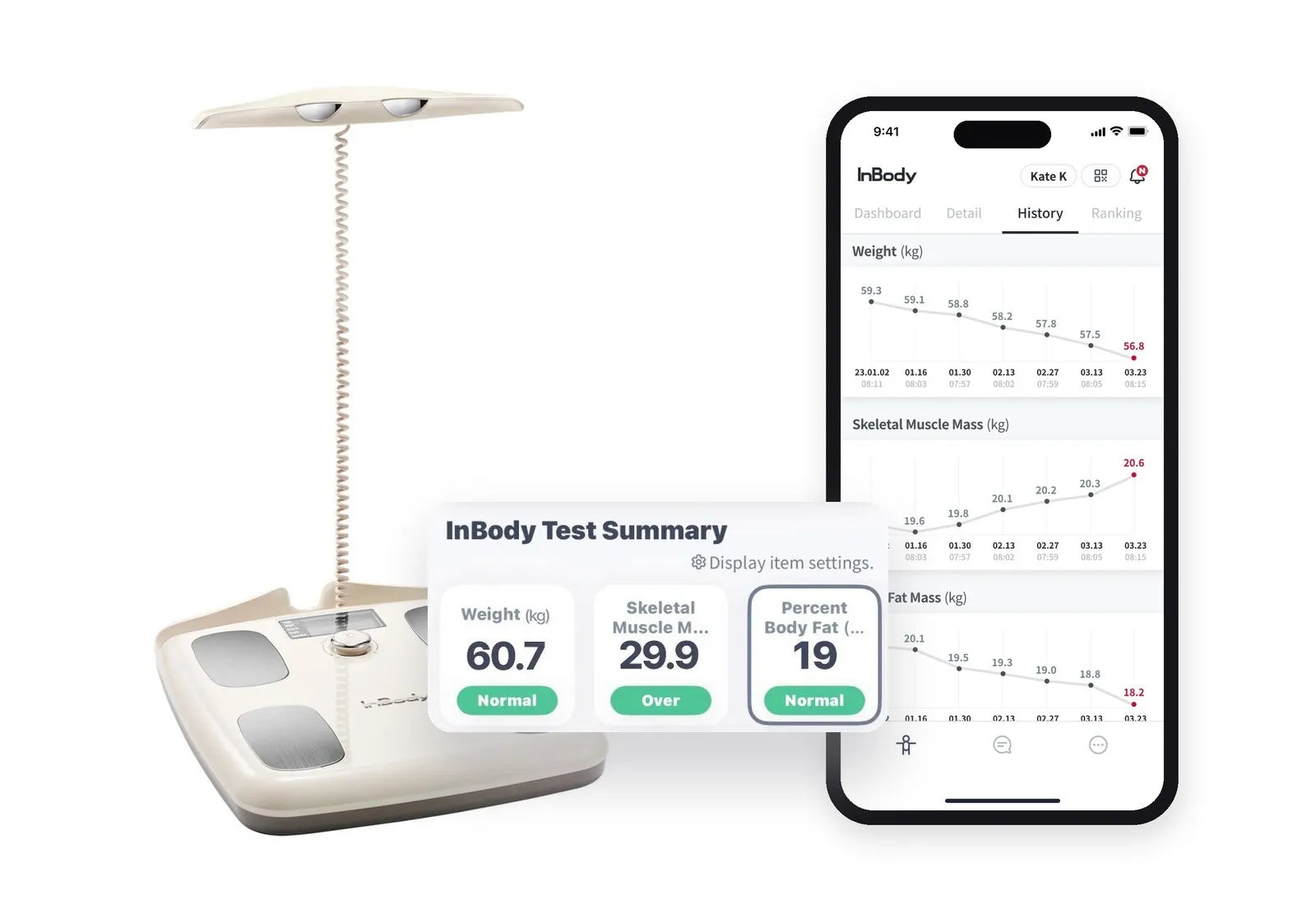
The study above would have looked like a success on an ordinary weighing machine: three kilos down either way. Only body composition showed the difference. That is the case for measuring fat and muscle rather than weight alone, especially while you are trying to lose fat.
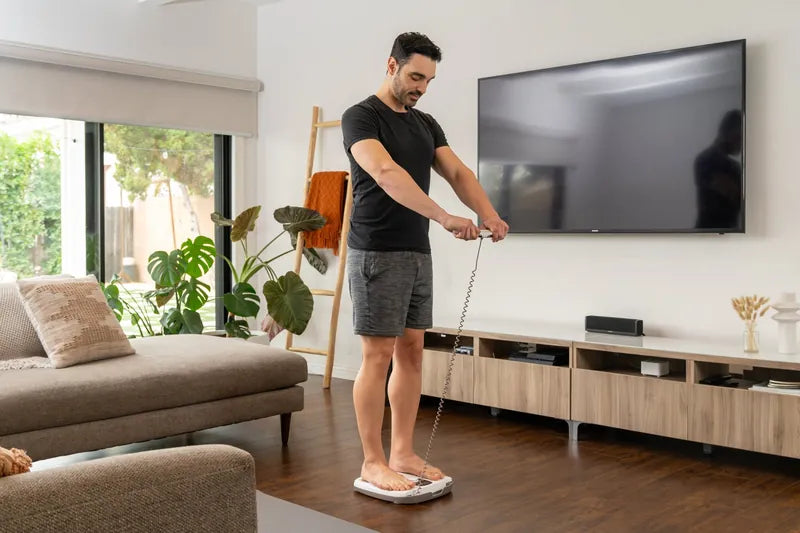
Morning is the best time to measure anyway: after the toilet, before food or exercise, bare feet, arms straight with the handle. Keeping the scale where your morning starts makes the habit easy. A bedroom works well, as long as the floor is hard and level and the room is dry. Then compare your monthly trends for body fat mass and skeletal muscle mass, and notice whether the months you slept better were the months fat came off more easily.


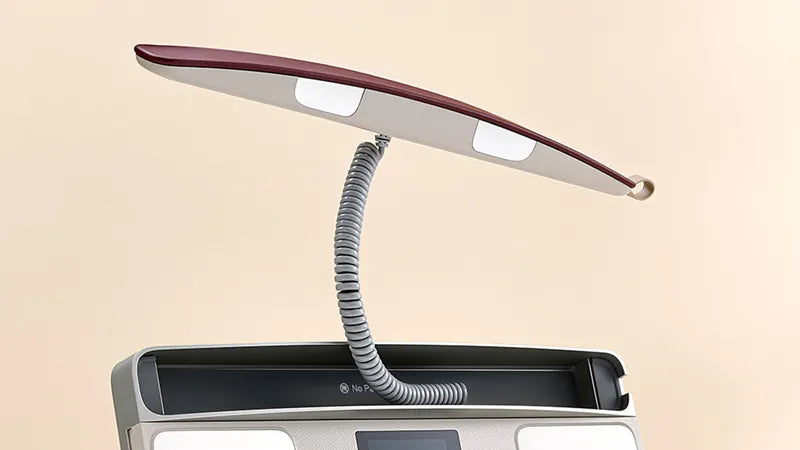
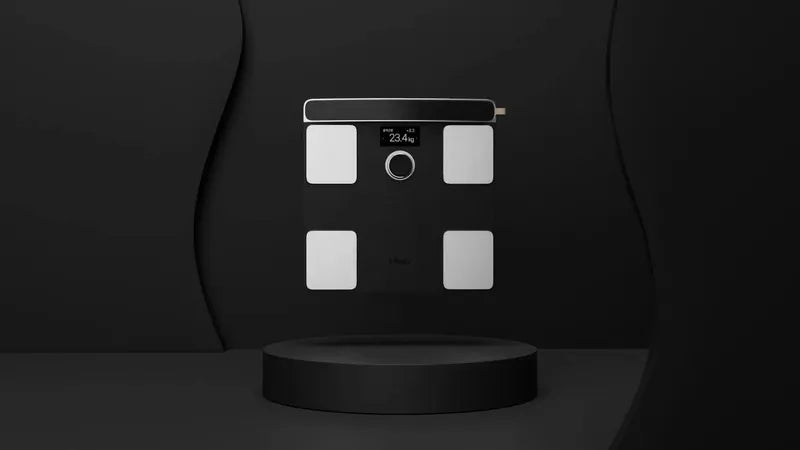
For one person, Dial H20 gives 8 readings, including body fat mass, skeletal muscle mass and visceral fat level, and syncs over Bluetooth. For a couple or a family, Dial H30 recognises up to 20 people and syncs over Wi-Fi. If you train, Dial H40 adds leg muscle level and balance ratings. Want to know how fat changes beyond sleep? Read body recomposition.
 Dial H20For just you. Body fat mass and skeletal muscle mass in about 10 seconds, synced to the InBody app over Bluetooth.See Dial H20 →
Questions people ask
Does lack of sleep cause weight gain?
It can contribute. In controlled studies, short sleep raised hunger and led people to eat more, especially after dinner, and in one study five short nights led to an average gain of 0.82 kg. Sleep is one factor among many, alongside food and activity.
How many hours of sleep do I need to lose fat?
Adults are advised to get 7 or more hours a night, regularly. In the Nedeltcheva study, 8.5 hours in bed produced more than twice the fat loss of 5.5 hours on the same diet.
Can poor sleep make me lose muscle?
In the same study, people lost more fat-free mass on short sleep while dieting. Fat-free mass includes muscle and water. Enough sleep, protein and strength training together give muscle the best protection.
Is it better to weigh myself right after waking up?
Yes, morning is the most consistent time: after the toilet, before food, drink or exercise. Measuring under the same conditions each day makes your trends easier to trust.
Does napping during the day make up for short nights?
A short nap can help you feel better, but the research above is about regular night-time sleep. Aim to protect your nights first.
Sources
- Nedeltcheva AV, Kilkus JM, Imperial J, Schoeller DA, Penev PD. Insufficient sleep undermines dietary efforts to reduce adiposity. Annals of Internal Medicine 2010;153(7):435–441.
- Spiegel K, Tasali E, Penev P, Van Cauter E. Brief communication: Sleep curtailment in healthy young men is associated with decreased leptin levels, elevated ghrelin levels, and increased hunger and appetite. Annals of Internal Medicine 2004;141(11):846–850.
- Markwald RR et al. Impact of insufficient sleep on total daily energy expenditure, food intake, and weight gain. Proceedings of the National Academy of Sciences 2013;110(14):5695–5700.
- Watson NF et al. Recommended Amount of Sleep for a Healthy Adult: A Joint Consensus Statement of the American Academy of Sleep Medicine and Sleep Research Society. Journal of Clinical Sleep Medicine 2015;11(6):591–592.
- InBody Dial H20, H30 and H40 specifications, InBody India.
 Dial H40
 Dial H30
 Dial H20