Weight-loss injections and muscle: how to make sure it’s fat you’re losing
Medicines like semaglutide can take some muscle along with fat. Why that matters, what helps protect it, and how to track it alongside your doctor.
The scale drops every week, and after years of trying, that feels like a miracle. But a scale counts every kilo the same way. It cannot tell you whether the kilos leaving are fat you wanted to lose or muscle you will want back.
Weight-loss medicines such as semaglutide and tirzepatide can lead to large weight loss, and some of what is lost is lean tissue, including muscle, along with fat. That is true of most big weight loss, however it happens. The good news is that protein and strength training help protect muscle, and tracking body composition shows whether they are working. All of it belongs alongside your doctor’s care, never instead of it.
The short version
- On GLP-1 medication, not every kilo you lose is fat. Body scans in the major trials found that part of the weight lost was lean mass.
- Enough protein at every meal and strength training two or more days a week are the two habits most likely to help protect muscle.
- A body composition scale splits each weigh-in into fat and muscle, so you and your doctor can see which one is changing between appointments.
What these medicines do
GLP-1 medicines copy a hormone your gut releases after a meal. They slow how fast the stomach empties and turn down appetite, so most people eat noticeably less. Semaglutide is sold under brand names including Ozempic and Wegovy. Tirzepatide, sold under names including Mounjaro, acts on GLP-1 and a second hormone, GIP. Most are weekly injections, which is why people search for them as weight-loss injections.
In India these are prescription medicines, prescribed for type 2 diabetes and, for some people, for obesity. This article is not advice about whether to take them, which one, or at what dose. Those are decisions for you and your doctor. It is about what happens to your body composition while you do.
Do GLP-1 medicines cause muscle loss?
Some lean tissue loss is expected. When you eat a lot less and lose weight quickly, your body draws on fat and on lean tissue. The large trials of semaglutide (STEP 1) and tirzepatide (SURMOUNT-1) each scanned a smaller group of participants with DXA, and in both, a meaningful share of the weight lost was lean mass rather than fat.
Two points keep that in proportion. Lean mass is not the same as muscle: it also includes water, organs and connective tissue, so lean loss overstates muscle loss to some degree. And researchers have pointed out that the share of lean tissue lost is broadly similar to what is seen with other large weight loss, such as strict dieting. The open question is how much it matters for each person, and that depends on how much muscle you had to begin with.
Why muscle is worth keeping
Muscle is what lets you climb stairs, carry a child, and get up from the floor at seventy. It is also one of the main places your body stores and uses blood sugar, and it accounts for part of the calories you burn at rest. Many Asian Indians already carry more fat and less muscle at the same body mass index than other groups, so the margin can be smaller than it looks. That makes protecting muscle during weight loss especially worthwhile.
Why weight alone can mislead you
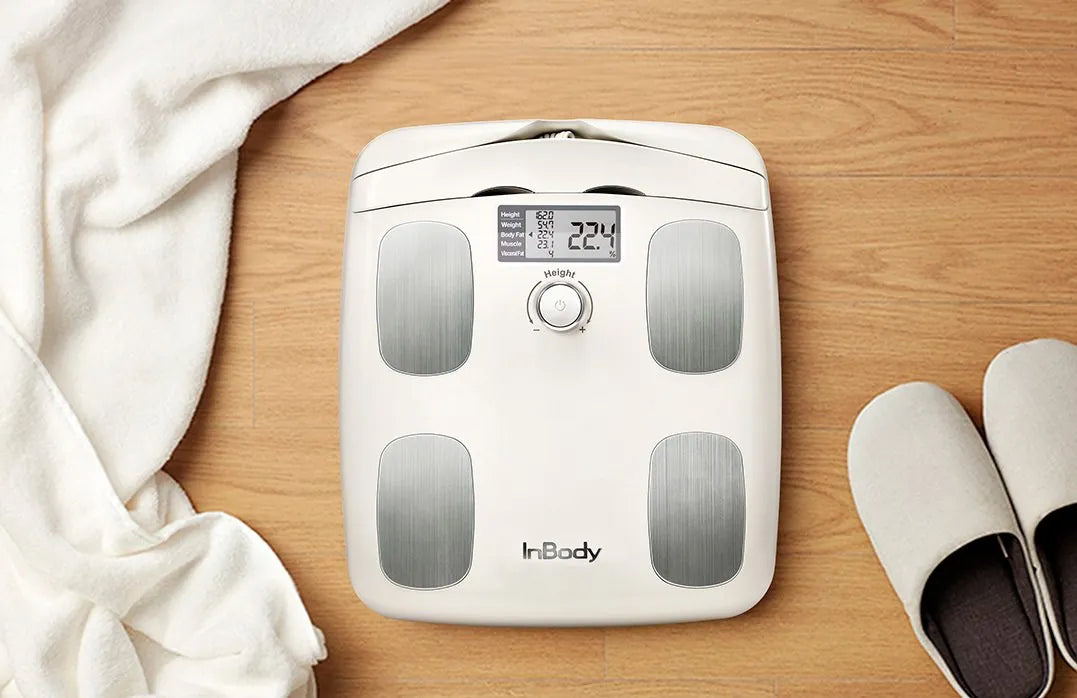
A plain scale treats every kilo as progress. Weight down two kilos looks like success whether it was fat, muscle or water. A body composition scale splits each reading so you can see what moved. Three readings matter most while you lose weight:
- Skeletal muscle mass. The muscle you move with. Ideally it holds steady while weight falls.
- Body fat mass. Your fat, in kilos. This is the number you want coming down.
- Visceral fat level. An estimate of the fat around your organs, which you want trending down over months.
One honest caveat. Eating and drinking less, and the fluid shifts that come with fast weight loss, can lower a muscle reading even when little real muscle has gone. Water moves around; muscle changes slowly. So judge the line across several weeks, never one morning. More on reading those lines in when the scale stops moving.
If you can, take a first reading before your treatment begins. Every later test then has a starting point, and the change is easier to read.


Protecting muscle: protein and strength
Protein first
When your appetite is low, every meal is smaller, and protein is often the first thing to slip. Try eating the protein part of the plate first. For Indian adults, ICMR-NIN sets the basic requirement at about 0.83 g per kilogram of body weight a day; during active weight loss, many doctors and dietitians aim higher. Ask yours what target suits you, especially if you have kidney disease.
Small, protein-dense foods help when portions shrink: curd and hung curd, paneer, eggs, soy chunks, sprouts, dal, chana, milk, fish or chicken if you eat them. Spreading protein across breakfast, lunch and dinner tends to work better than one large serving.
Strength training, two or more days a week
The World Health Organization advises adults to do muscle-strengthening activity that works all the major muscle groups on at least two days a week. It sends muscle a clear signal to stay. At home that can mean squats to a chair, wall or knee push-ups, resistance bands, lunges, and carrying something heavy up the stairs. Walking is good for you and worth keeping, but on its own it does little to protect muscle.
Start where you are, add a little each week, and check with your doctor before starting if you have joint, heart or other health concerns.

Working with your doctor
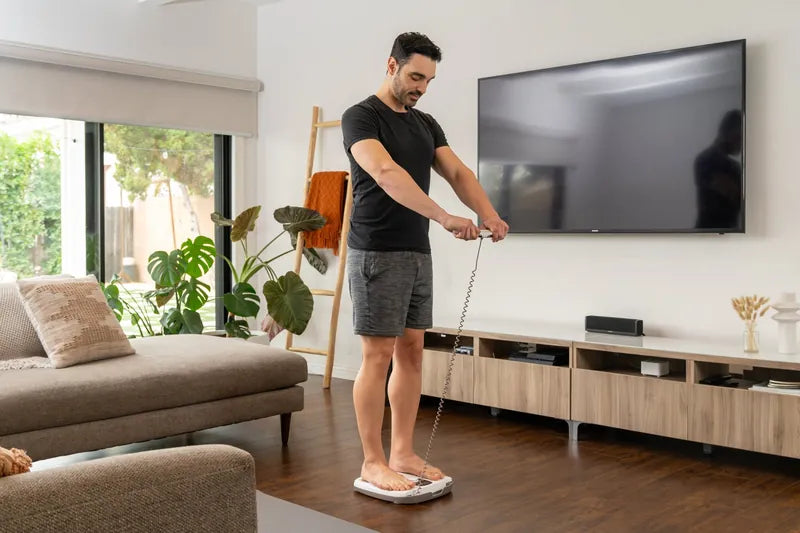
Your doctor tracks your progress with their own checks, and no scale is required. What a home body composition scale adds is the weeks between appointments. Open the History screen in the InBody app at your visit: it shows weight, skeletal muscle mass and body fat mass test by test. Then ask three questions:
- Is my muscle holding? Look at the muscle line across weeks, not one reading.
- Should my protein change? Your target depends on your weight, kidneys and plan.
- Do I need a strength plan? A physiotherapist or trainer can set one around your health.
Never change your medication, dose or diet because of a scale reading. A Dial is a fitness and wellness tracking device: it shows the fat and muscle behind your weight, and it cannot tell you whether a medicine is working or how much muscle loss is too much for you. InBody advises that people with a pacemaker or other implanted electronic medical device should not use it, and that pregnant women speak to their doctor first.
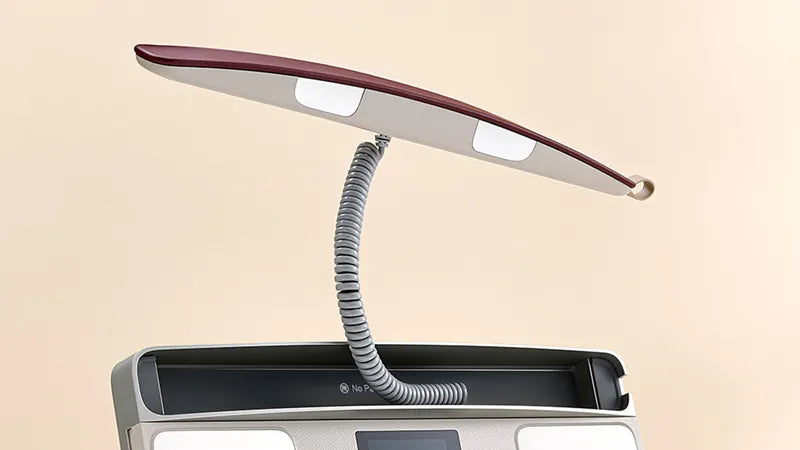
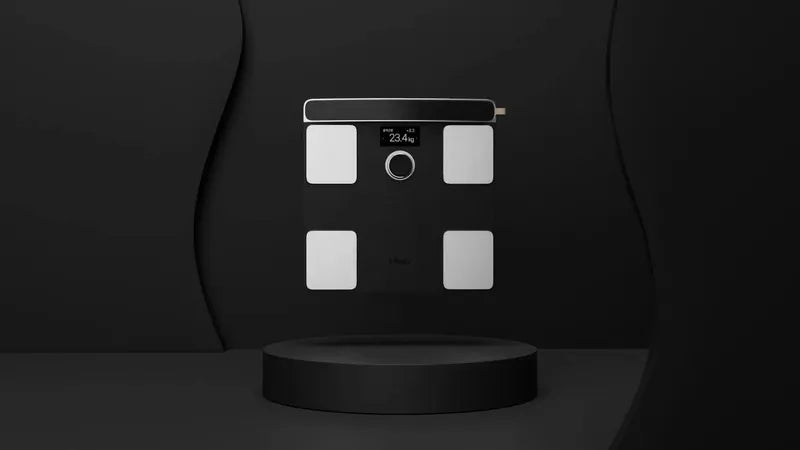
Any Dial shows skeletal muscle mass, body fat mass and visceral fat level. Dial H20 suits one person over Bluetooth. Dial H30 recognises up to 20 people and syncs over Wi-Fi, so tests log themselves even with your phone in another room. If you want to understand belly fat specifically, see how to check visceral fat at home.
 Dial H20For just you. Skeletal muscle mass, body fat and visceral fat level at every test, over Bluetooth.See Dial H20 →
Questions people ask
Do you lose muscle on Ozempic or other GLP-1 medicines?
Some lean tissue loss is common with any large weight loss, and the body scans in the main semaglutide and tirzepatide trials showed part of the weight lost was lean mass. How much is muscle, and whether it matters for you, is a question for your doctor. Protein and strength training help protect it.
How can I prevent muscle loss on semaglutide?
The two habits with the best support are enough protein spread across your meals and strength training on two or more days a week. Agree your protein target and exercise plan with your doctor, especially if you have other health conditions.
Can a scale show muscle loss?
A body composition scale shows skeletal muscle mass at every test, so a falling trend becomes visible over weeks. It cannot tell you how much loss is too much, and fluid shifts can lower a reading, so look at several weeks and bring the trend to your doctor.
Should I weigh myself daily or weekly on weight-loss medication?
Either works if conditions stay the same: morning, after the toilet, before food, exercise or a shower, barefoot on a hard floor. Judge change on the trend across weeks, never one reading.
Do I need a special scale while on weight-loss injections?
No. Your doctor monitors your treatment. A body composition scale simply adds what an ordinary scale cannot: whether the weight you are losing is fat or muscle, in the weeks between appointments.
Sources
- Wilding JPH et al. Once-weekly semaglutide in adults with overweight or obesity. New England Journal of Medicine 2021;384(11):989–1002.
- Jastreboff AM et al. Tirzepatide once weekly for the treatment of obesity. New England Journal of Medicine 2022;387(3):205–216.
- Conte C, Hall KD, Klein S. Is weight loss–induced muscle mass loss clinically relevant? JAMA 2024;332(1):9–10.
- World Health Organization. WHO guidelines on physical activity and sedentary behaviour, 2020.
- ICMR-National Institute of Nutrition. Nutrient Requirements for Indians, 2020.
- Misra A, Khurana L. The metabolic syndrome in South Asians: epidemiology, determinants, and prevention. Metabolic Syndrome and Related Disorders 2009;7(6):497–514.
- InBody Dial H20, H30 and H40 specifications, InBody India.
 Dial H40
 Dial H30
 Dial H20